Hello and welcome!
It’s a joy to be with you once again. As we continue our Lenten journey and begin to enjoy the warmer weather (and melting snow!) I’d like to share with you some of my experiences of the past month.
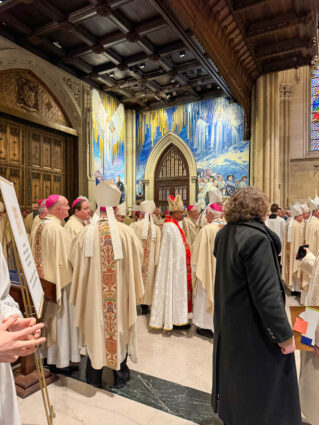
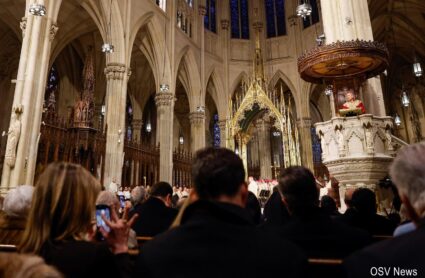
My first event of February was the installation of Archbishop Hicks as the new Archbishop of New York on February 6.
I first met Archbishop Hicks shortly after he was named a bishop because, as president of the Pontifical Commission for the Protection of Minors, I would often be asked to give a conference on safeguarding to the new bishops at what we call the “baby bishops school.” Every year, they gather the about 300 men who have been named bishops during the course of that year, and they go to Rome for a series of seminars. One of the talks is always on safeguarding, and he invited me to join him and the other American bishops for dinner afterwards.
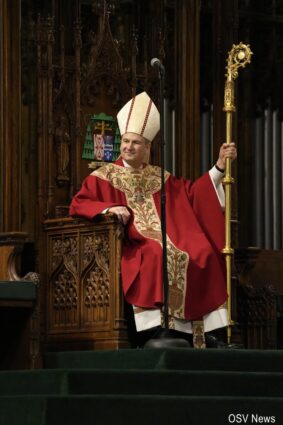
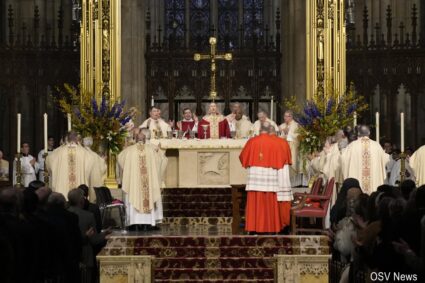
I got to hear about his experiences in El Salvador and in Mexico, and I was very impressed. Now that he is in New York, I feel that he has a lot to offer the archdiocese. Certainly, Cardinal Dolan was an extraordinary shepherd for the people of New York, especially being the larger-than-life personality that he is. But I know that Archbishop Hicks brings a lot of gifts to his new role, and particularly his experience with Hispanic ministry will be invaluable in an archdiocese like New York.
Then, from February 9 to 17, I traveled to San Francisco for a retreat of the bishops of the San Francisco Province.
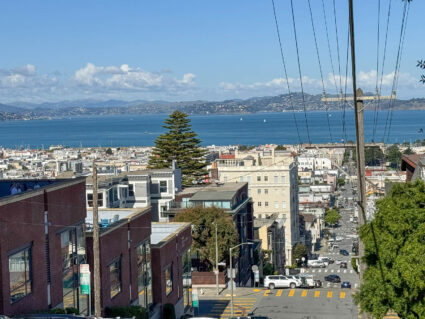
It was always a joy to stay with our Capuchin friars there. I stayed in the house that’s near the University of San Francisco.
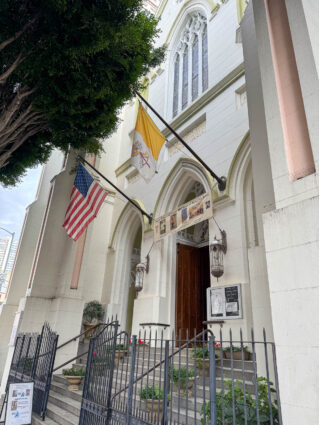
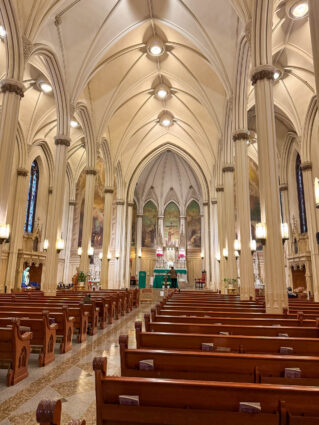
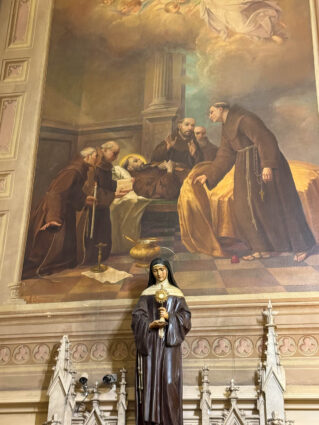
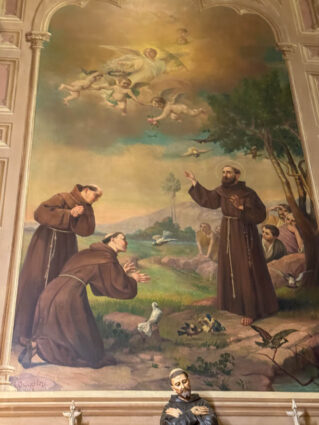
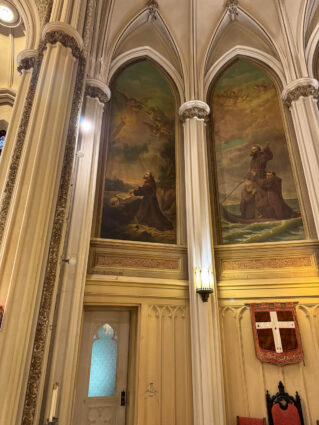
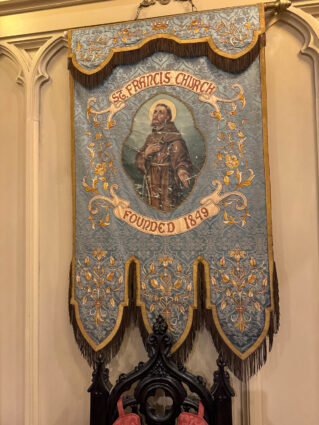
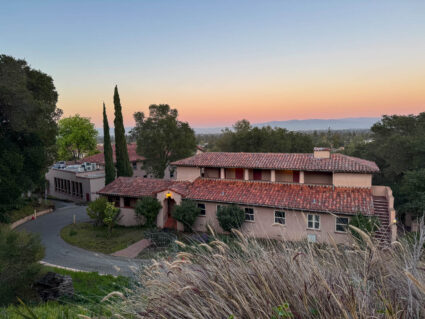
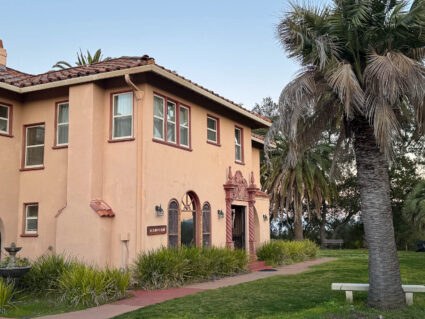
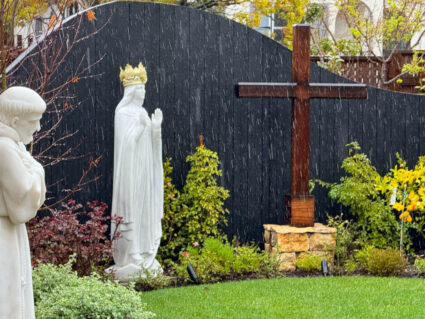
Their province was started by the Capuchins from Ireland, and that’s why they have the statue of Our Lady of Knock in their garden.
It’s a formation house for the postulants, and my sister Mary Ellen lives very close to them. So, I was able to see her, my nephew, and his family in the days as we got ready for the retreat. (I felt a little guilty about being there while we were suffering this terrible cold spell here in the Northeast. I left Boston when it was one degree and got to San Francisco, where it was about 60 degrees!)
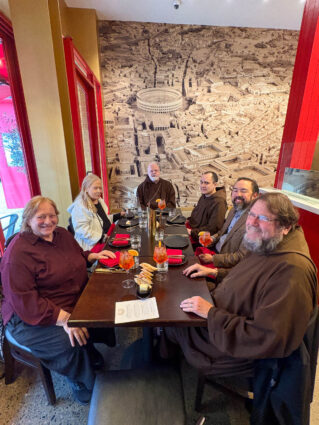
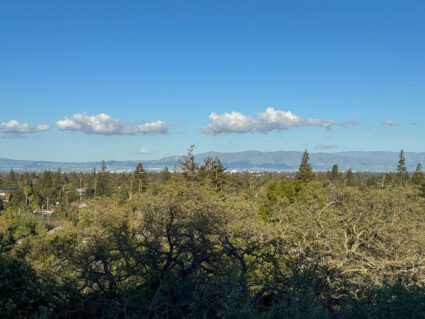
The retreat itself was at the Jesuit retreat house just outside San Francisco in a place called Los Altos. It’s a beautiful house where they are so hospitable.
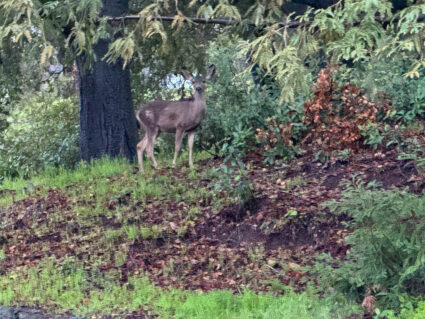
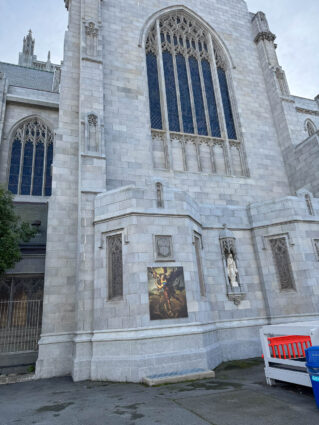
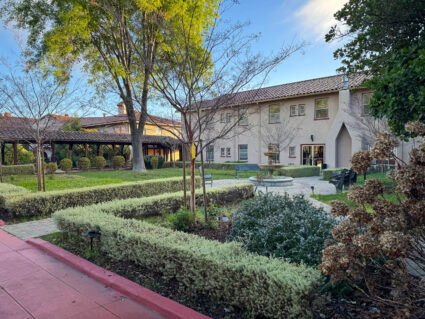
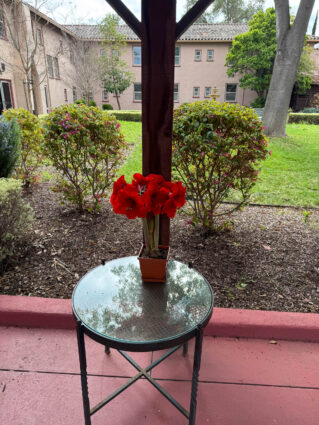
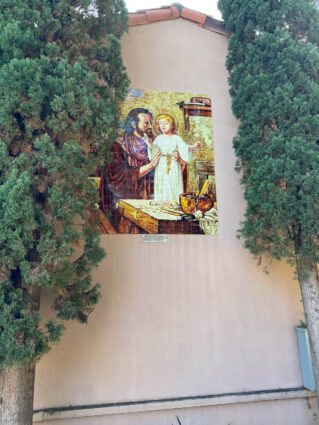
The retreat was for the bishops of the Province of San Francisco, which is all the northern California dioceses plus Honolulu. So, Bishop Silva from Honolulu was there, as well as Bishop Barber, a Jesuit himself, who was our spiritual director at St. John’s Seminary for a long time.
On February 19, I went to the Catholic University of America for a retreat day for the three ecclesiastical faculties: philosophy, theology, and canon law. I gave them two conferences and celebrated a closing Mass, but the big event was what they call the Dean’s Vespers in the evening.
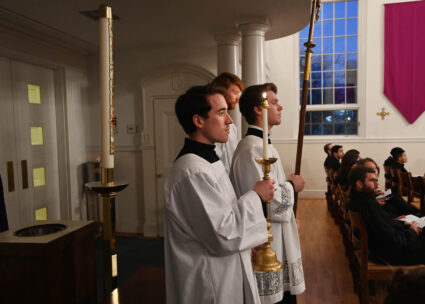
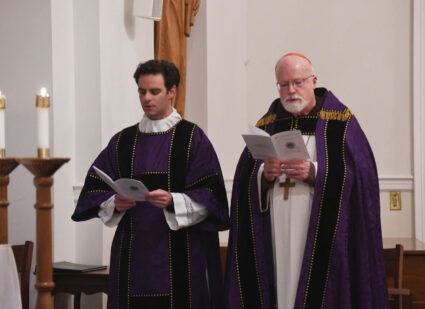
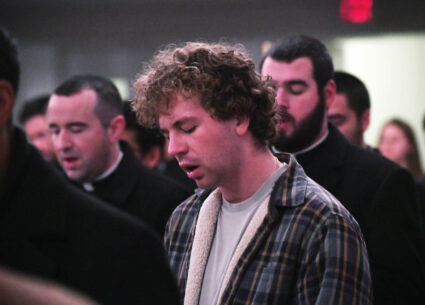
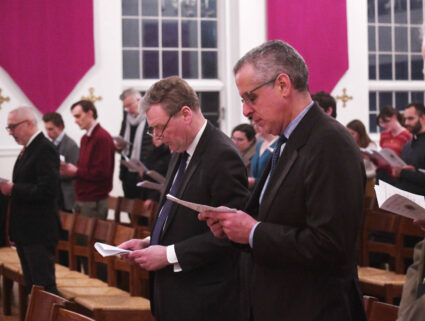
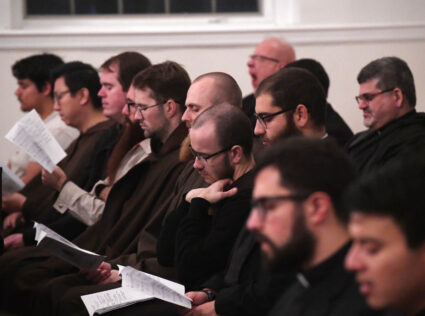
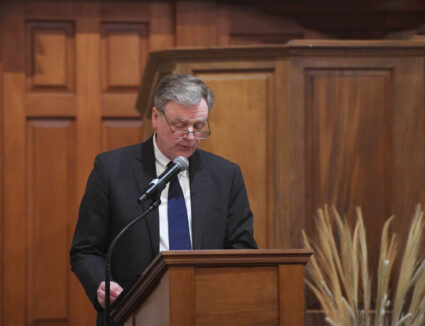
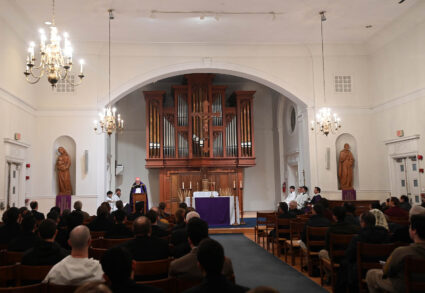
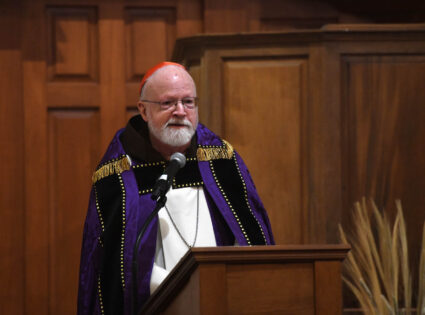
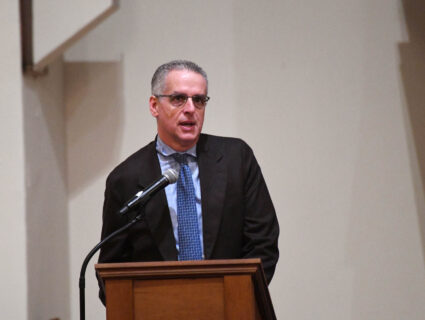
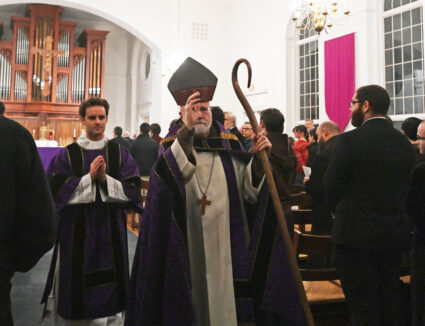
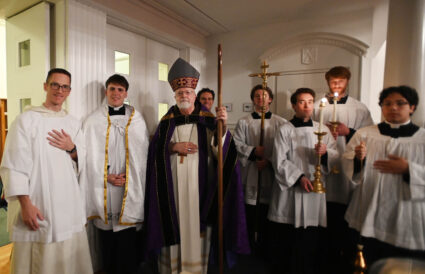
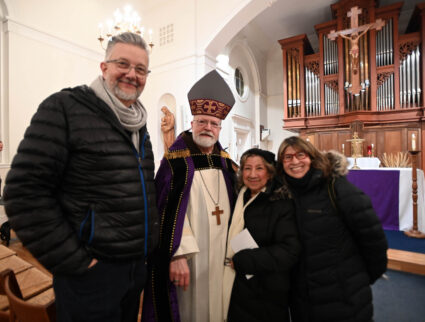
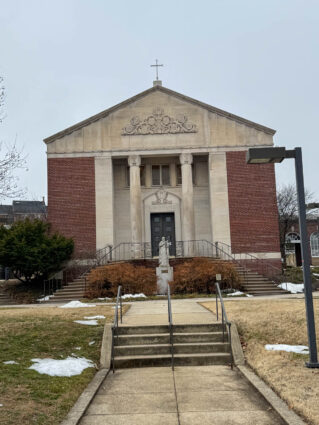
I preached at the Vespers, and they invited all the seminarians to join us at St. Vincent’s Chapel. This was the day after Ash Wednesday, so I spoke on themes of conversion, baptismal retreats, and prayer.
From there, I traveled to Spain, because I had been invited to celebrate a Mass for the 200th anniversary of the founding of the Carmelite Sisters of Charity of Vedruna. These are the sisters who worked with me for many years in Washington.
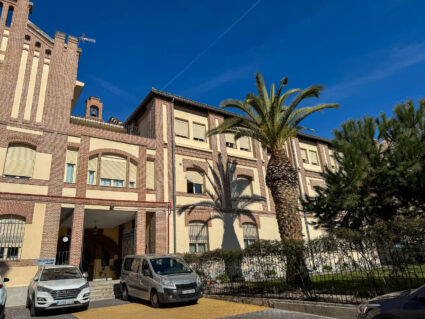
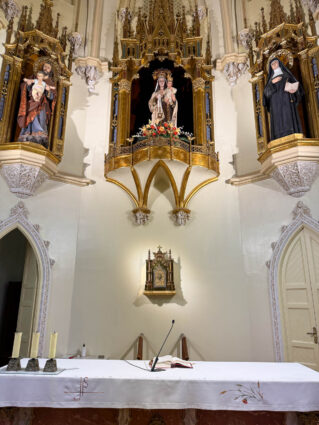
My first stop was in Madrid because that’s where the sisters have their retirement community. I was very happy to visit, celebrate Mass and have lunch with them.
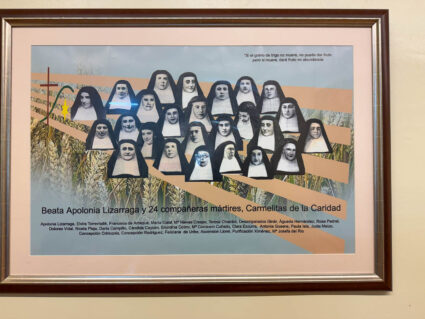
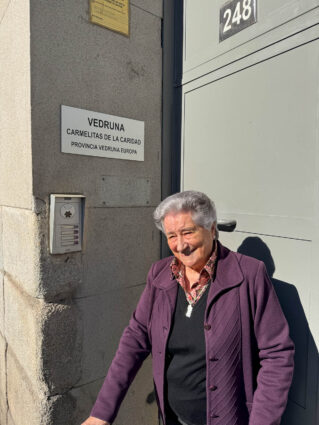
One of the sisters, Sister Covadonga, is 90 years old. She was just a joy to meet!
While I was in Madrid, I stayed with the Capuchins at the Basilica of Jesús de Medinaceli, and I walked through the neighborhood.
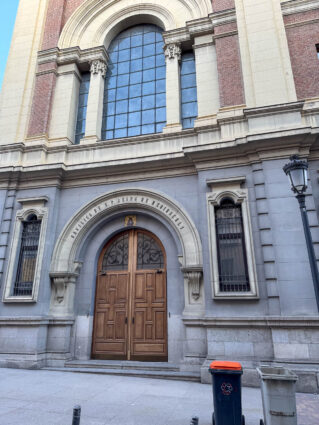
The Capuchin church is right downtown near the Prado and Los Jerónimos, which is a very important landmark.
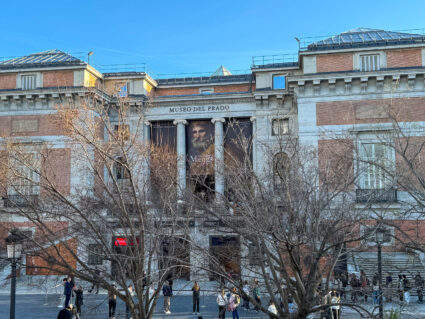
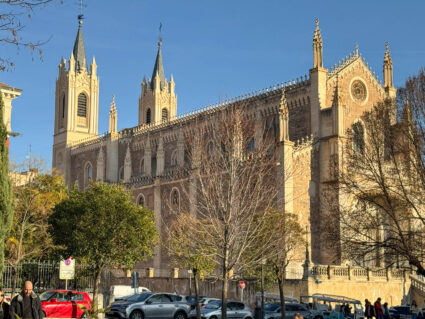
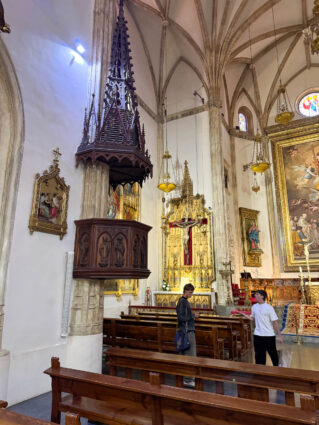
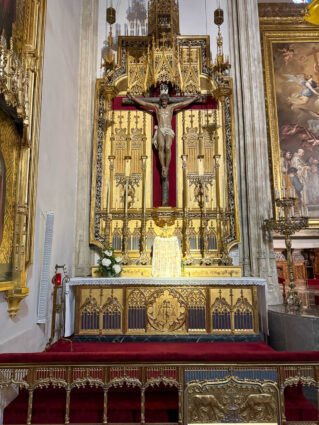
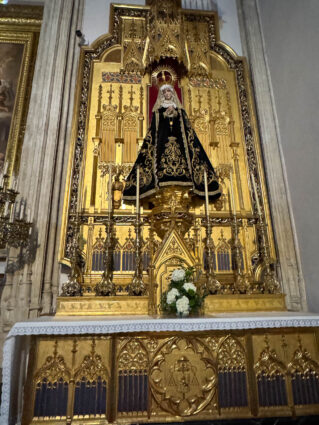
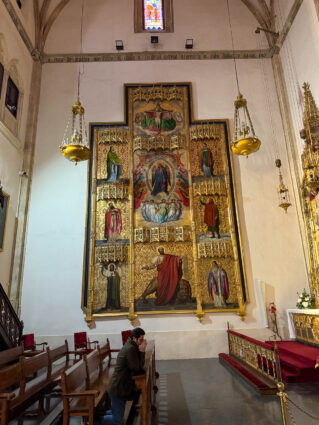
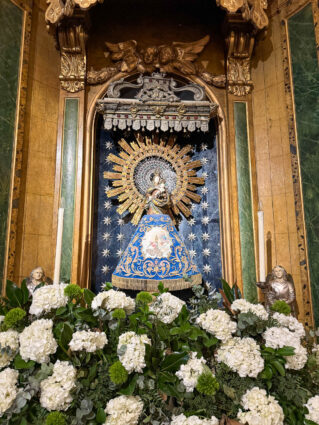
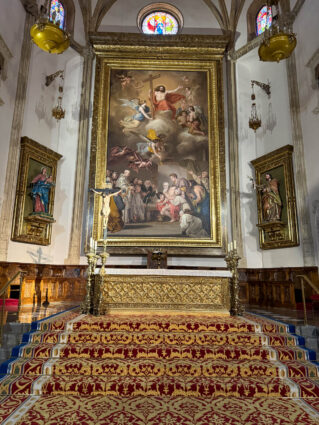
The Jerónimos ran the Escorial, where I taught in 1970. The order itself was suppressed, but their church has that wonderful painting of the Last Communion of St. Jerome behind the high altar.
I also visited the family of Louis and Matilde Alvim. Matilde’s mother, Maria, was one of my parishioners at my Portuguese parish in Washington many moons ago, so I baptized Matilde. And, now, Louis and Matilde have nine children, and I have the privilege of baptizing them all!
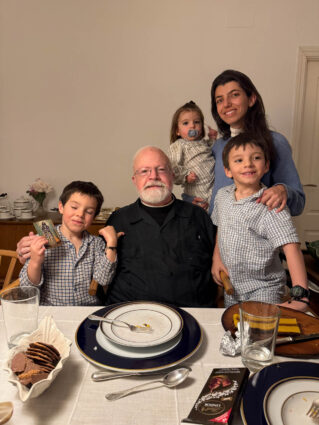
Luis is not in the photo because he was traveling on business to Milan — though we suspect that he really went there for the Winter Olympics!
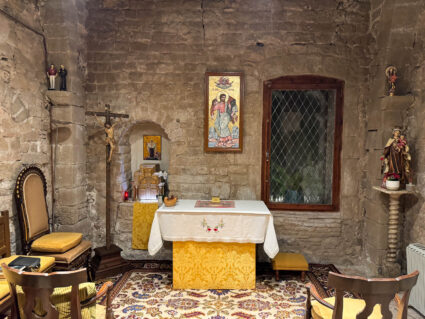
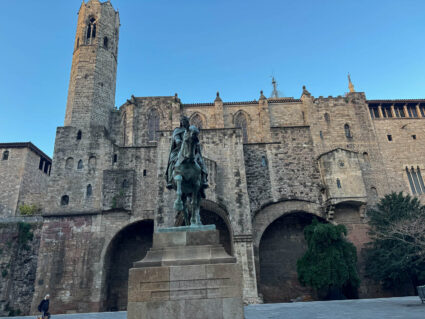
Next, I traveled to Barcelona and stayed with the Cardinal in the bishop’s residence, which is a very historic building. One of the chapels is in a tower built by Caesar Augustus.
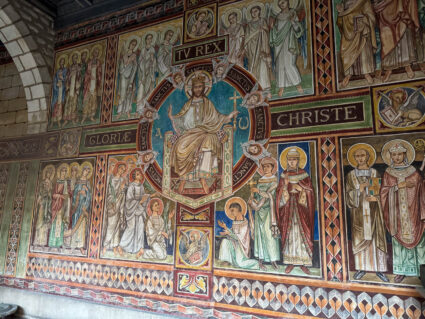
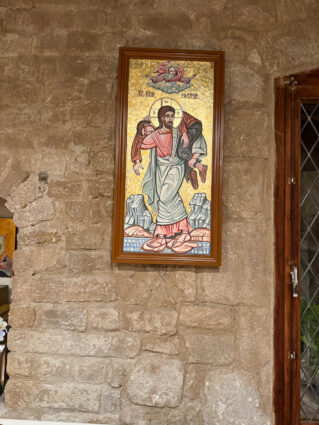
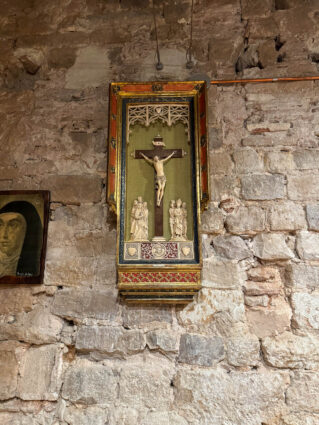
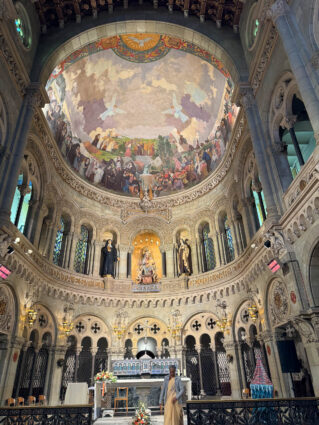
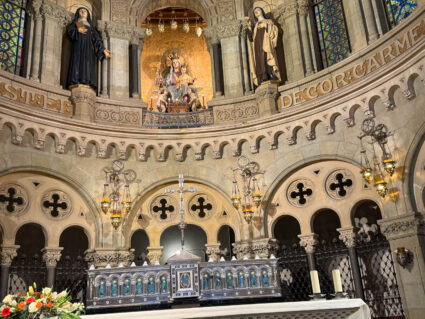
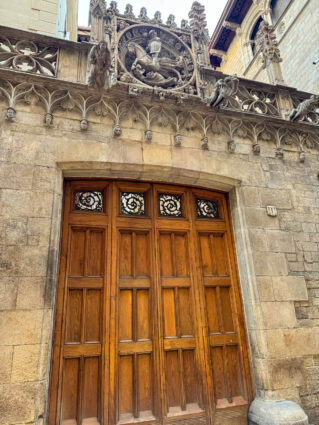
That day, I also visited the Cathedral del Mar. It is a huge and beautiful church that was built very much with the participation of the people — the stevedores, sailors, and fishermen of the city. 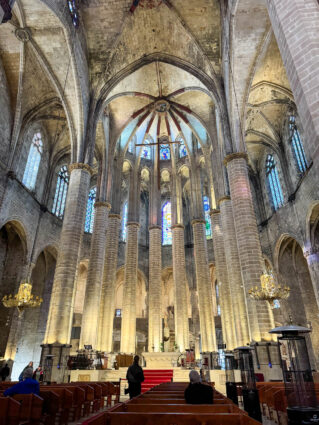
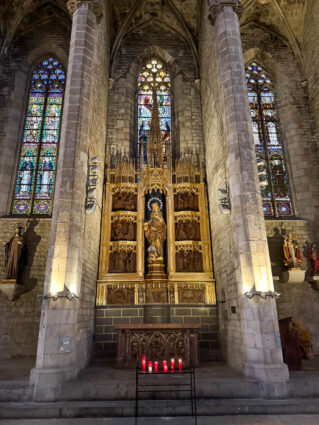
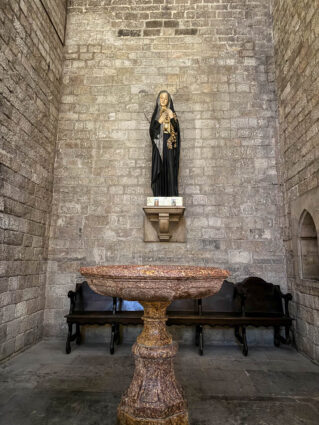
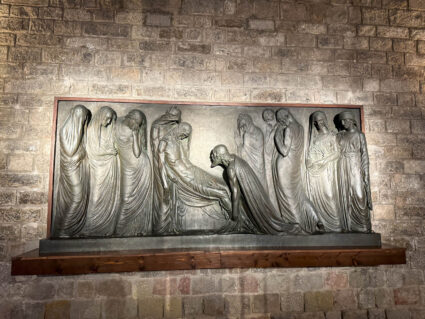
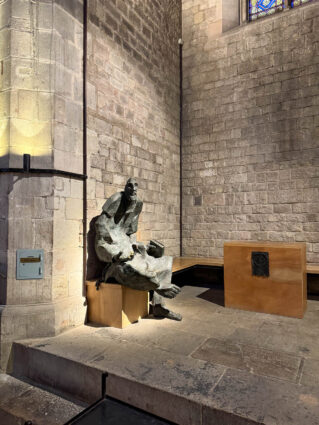
St. Ignatius of Loyola went there as a young man on a pilgrimage to the Holy Land without any money and was begging. So, they have a very modern statue there to represent St. Ignatius as a beggar.
From there, we drove about 35 miles north to Vic, where the Sisters’ anniversary celebration was held.
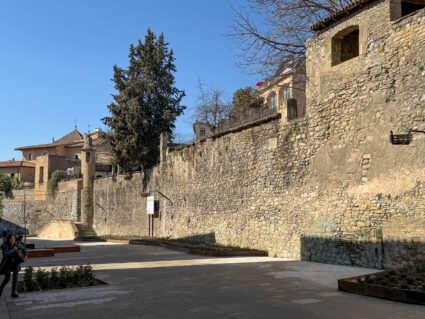
Their foundress, St. Joaquina, was from an aristocratic family in Vic, which is a walled and historically significant city.
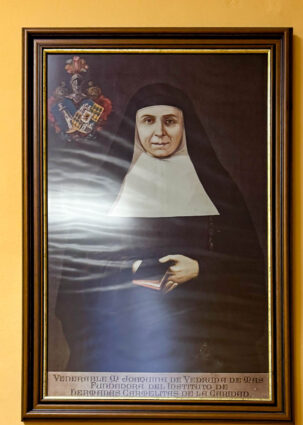
She founded this order to teach girls, run schools, perform works of mercy, and care for the sick. It was at the time of the Napoleonic wars, and for a while she had to flee to France. So it was a difficult founding, but she was accompanied by a very holy and famous Capuchin friar, Friar Esteban de Olot, and she wanted to found a Franciscan order. But, as I mentioned in my homily, the bishop turned them into Carmelites.
But her religious name was Joaquina de San Francisco de Asis, and the order is still rather large in Spain. They have about 1,100 sisters and run 70 schools in Spain, and their sisters are also in Africa, India, and Latin America.
The sisters who worked with me when I was a young priest in Washington were just extraordinary women. They were so dedicated to the poor and so faithful in their religious life that they were a great example to me. They even made me an honorary member of their community many years ago.
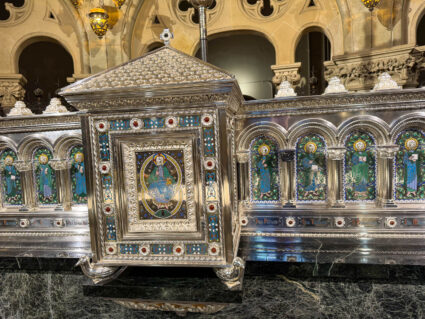
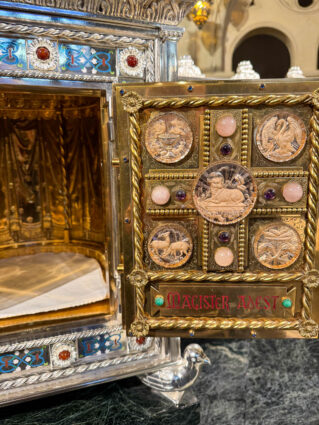
For the Mass itself, there were maybe three or four hundred sisters there, assembled in their beautiful chapel. The chapel is extraordinary, and the tabernacle is just a treasure.
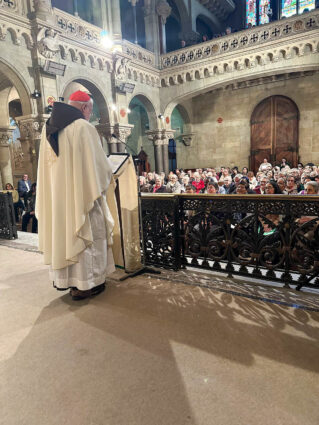
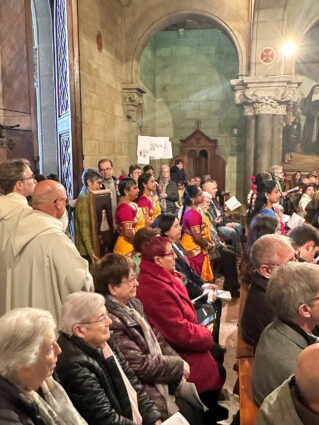
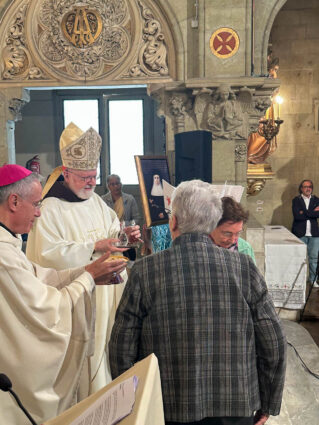
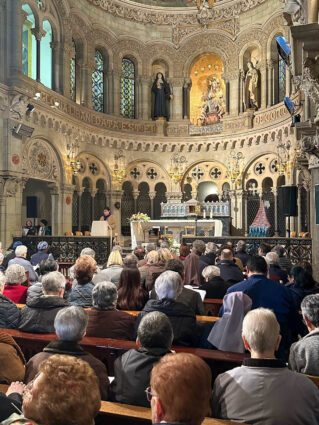
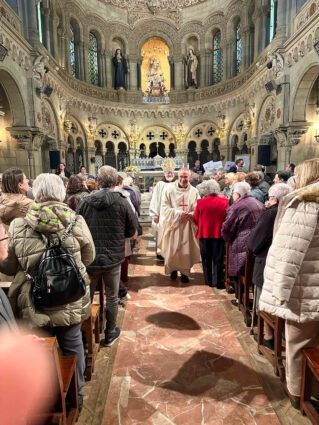
They had wonderful music, and the sisters composed a lot of the songs, and some of their students from their different schools sang. Afterward, they held a wonderful banquet in their school’s gymnasium, and the students prepared and served an extraordinary meal for everyone.
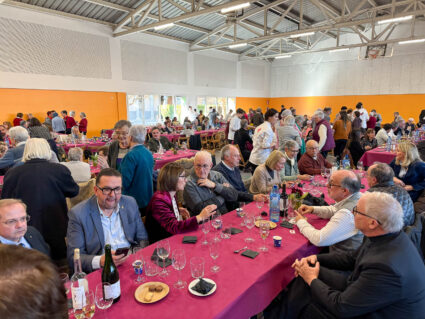
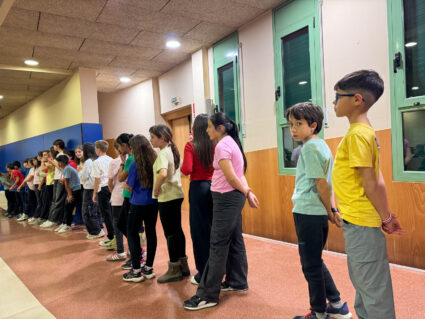
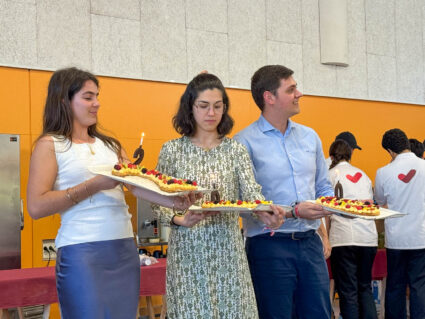
There were many civil officials and other dignitaries with us for the celebration, including the Abbot of Montserrat. Regular readers will remember that last year, when I gave the priest retreat in Barcelona, the Capuchins took me to visit Montserrat, a monastery over a thousand years old, where St. Ignatius of Loyola experienced his great conversion. It’s one of the most important Benedictine abbeys in the world, and so I was delighted to see the abbot again.
We were also joined by the local bishop, Bishop Román Casanova.
While in Vic, I was able to visit the tomb of St. Anthony Mary Claret, who is also from that city.
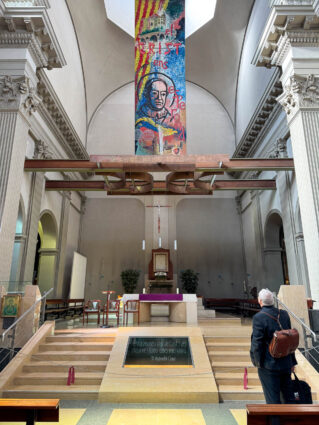
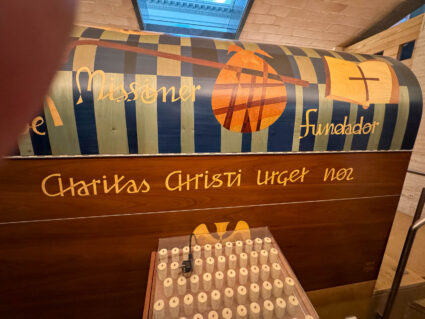
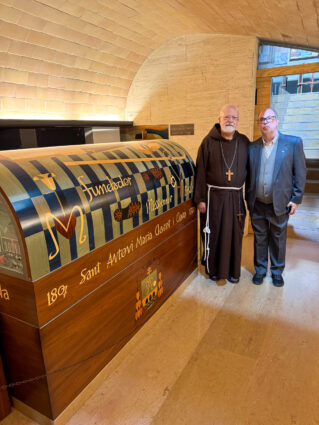 I wanted to go there to pray for Cuba. He was the Archbishop of Santiago de Cuba and brought a lot of energy and evangelization to Cuba at a time of great crisis. So, I was happy to be able to pray there.
When I returned to Barcelona, I visited the National Museum of Catalan Art at Montjuïc, where they have an extraordinary collection of Romanesque art from medieval churches in Catalunya.
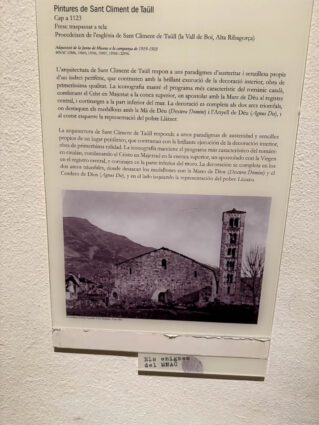
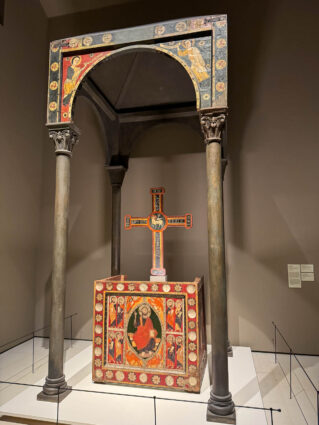
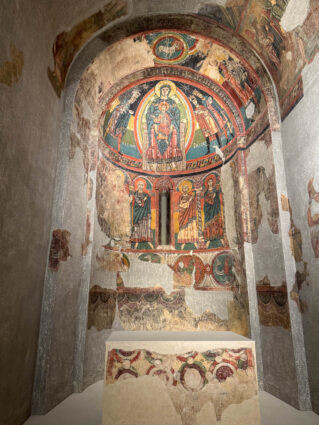
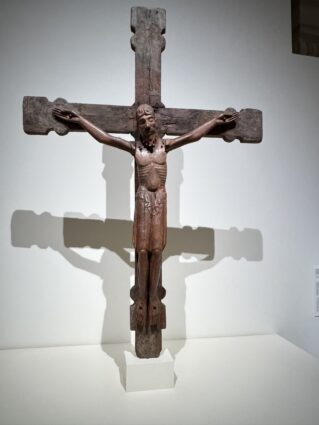
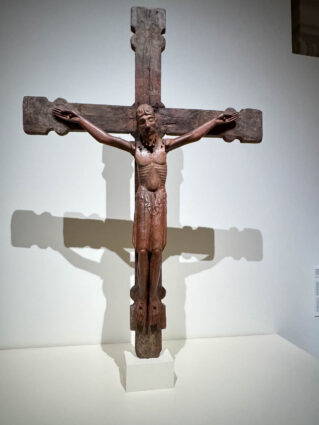
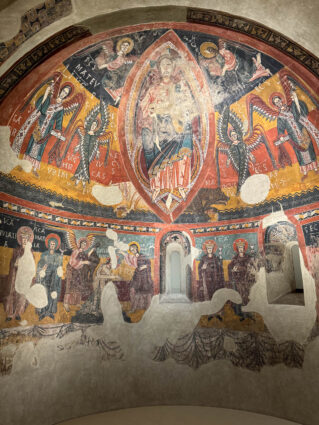
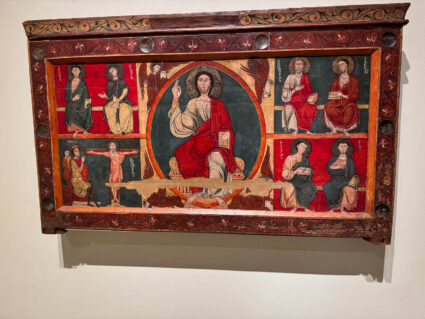
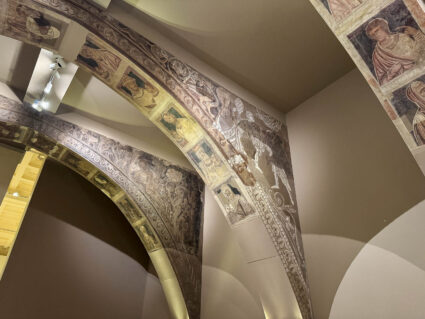
They have a process where they put canvases on the walls of these old churches, and it allows them to take the frescoes right off the wall so they can put them in the museum. And apparently, a lot of them have Italian influence because many of the people making the pilgrimage to Compostela would pass through Catalunya. So, it was a very interesting exhibit.
Finally, I’d like to express congratulations and offer our prayers for Friar José Ángel, the new superior of our friars in Puerto Rico, who held their chapter last month. 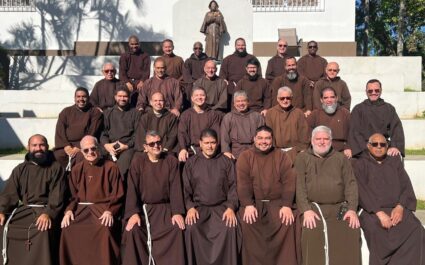
I worked in Puerto Rico when I was a subdeacon and, over the years, have ordained many of their friars as priests. So I have always felt very close to the men there who are part of our province of St. Augustine.
Until next time,
Cardinal Seán